


Sustainable healthy habits don’t come from willpower, strict rules, or trying to force yourself into a version of health that doesn’t fit your life. They grow from a compassionate exploration of who you are—your patterns, your needs, your rhythms, and the experiences that have shaped how you move through the world.
A big part of this work is untangling yourself from diet culture. For years, you’ve been told that thinness equals worthiness, that health must look a certain way, and that discipline matters more than your well-being. Those messages can undermine your inner wisdom, pull you away from your true goals, and keep you riding the endless wave of being “on” or “off” some impossible plan.
Real, sustainable change begins with understanding yourself with curiosity instead of judgment. When you gently examine what supports you and what overwhelms you, you can start building habits that feel natural, nurturing, and rooted in your real life—not in unrealistic expectations.
From that place of self-understanding and freedom from shame, new patterns can emerge—patterns that work with you, not against you. Habits become easier to maintain because they honor your body, your values, and your emotional landscape.
This is the path toward health that feels steady, compassionate, and sustainable—one built on insight, flexibility, and respect for your inherent worth.
Featured Media
-
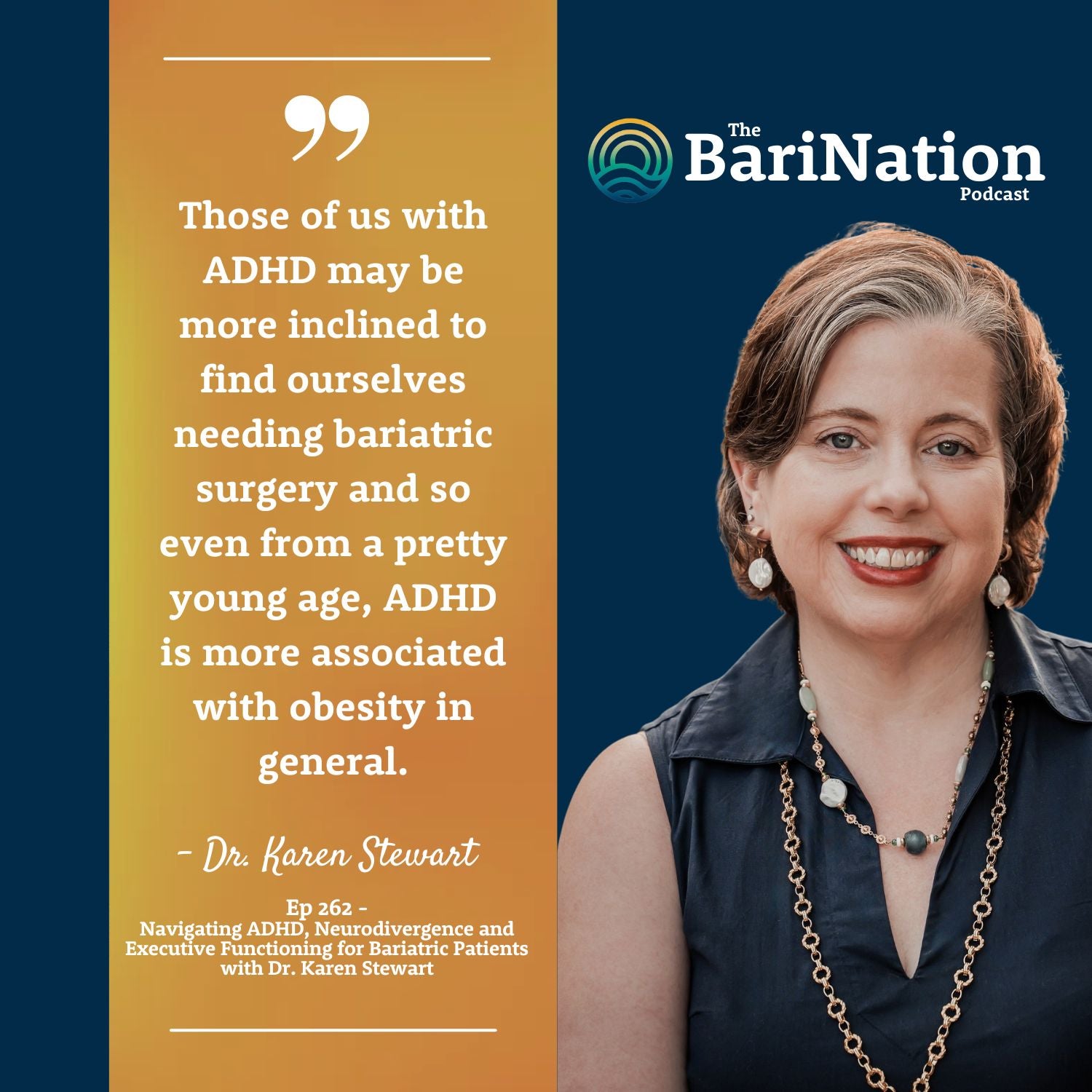
Navigating ADHD, Neurodivergence & Executive Functioning for Bariatric Patients with Dr. Stewart
Watch Podcast EpisodeDid you know that ADHD is more common in the bariatric community? In today’s episode, we’re going to explore how ADHD and neurodivergence shape our relationship with food, how this affects the bariatric community and discover strategies to thrive.
-
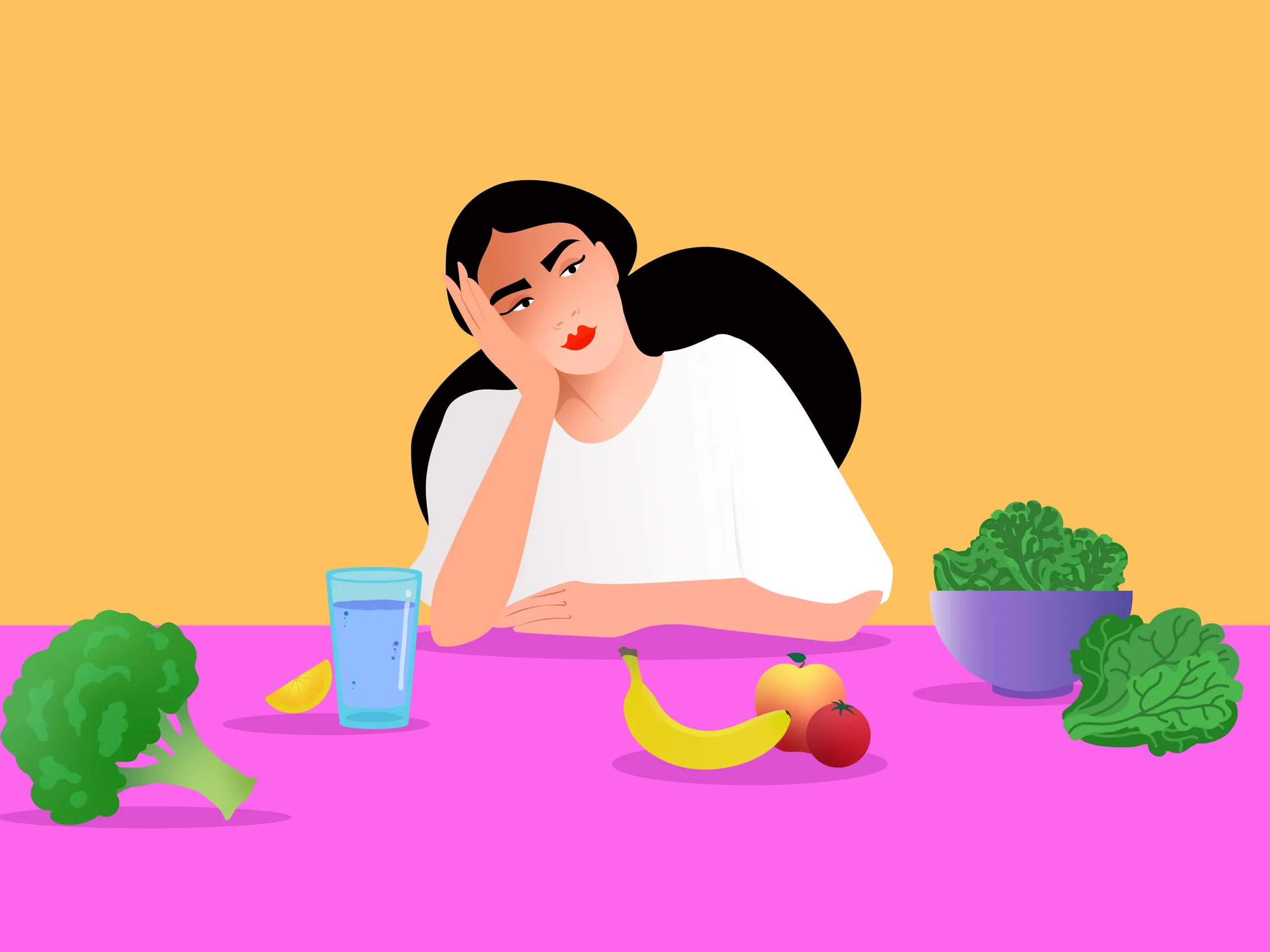
4 Ways ADHD May Affect Your Eating Habits—and How to Get Back on Track
View Full ArticleIf you, too, got an ADHD diagnosis in adulthood, you’ve probably had a lot of “ah hah” moments when reflecting on past battles (and successes!) from your adolescence. A realization I recently had (and one that I’m admittedly still processing) is that my (at the time, undiagnosed) ADHD was likely linked to my ongoing struggles with anorexia nervosa—something I dealt with for about a decade...
